
Flush Valve Regular Long
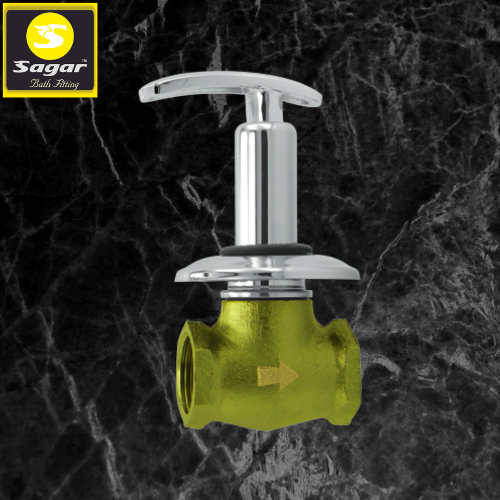
A flush valve, especially a regular long flush valve, is a crucial component in toilet systems designed to control the release of water from the tank into the bowl, ensuring a proper and efficient flush. The “regular long” description typically refers to the valve’s size and reach, making it suitable for specific toilet models or configurations. Here’s an overview of the features, benefits, and usage of a regular long flush valve:
Features
- Extended Length: The “long” designation indicates a longer body or overflow tube, making it suitable for toilets with deeper tanks.
- Material: Often made from durable plastic or brass, ensuring longevity and resistance to corrosion.
- Flush Mechanism: Includes a flapper or seal that lifts to release water when the flush lever is activated.
- Overflow Tube: Prevents tank overfilling by directing excess water into the bowl if the water level gets too high.
- Adjustability: Some models feature adjustable overflow tubes or flush mechanisms to fit various toilet designs.
Benefits
- Efficient Flushing: Ensures a powerful and effective flush, clearing waste and keeping the bowl clean.
- Durability: High-quality materials and construction provide long-lasting performance.
- Water Conservation: Modern flush valves are designed to use water efficiently, helping to conserve water and reduce utility bills.
- Compatibility: Suitable for a wide range of toilet models, especially those with deeper tanks.
Usage Tips
- Installation: Follow the manufacturer’s instructions for proper installation. Ensure the valve is compatible with your toilet model.
- Maintenance: Regularly check the flush valve for signs of wear or damage. Replace worn-out flappers or seals to maintain efficient operation.
- Adjustment: If the flush is weak or the tank overfills, adjust the overflow tube or float mechanism to achieve the correct water level.
- Cleaning: Periodically clean the valve components to prevent build-up of minerals and debris that can affect performance.
Common Applications
- Residential Toilets: Standard in many home toilets, providing reliable flushing performance.
- Commercial Restrooms: Used in commercial settings where durability and efficiency are essential.
- Public Facilities: Suitable for public restrooms with high usage, ensuring consistent and effective flushing.
Installation Steps
- Turn Off Water Supply: Before beginning, turn off the water supply to the toilet and flush to empty the tank.
- Remove Old Valve: Disconnect the water supply line and remove the old flush valve by loosening the mounting nut at the bottom of the tank.
- Prepare New Valve: If necessary, adjust the length of the overflow tube on the new valve to fit your tank.
- Install New Valve: Insert the new flush valve into the tank, securing it with the mounting nut. Ensure the valve is aligned correctly and the overflow tube is positioned properly.
- Connect Water Supply: Reconnect the water supply line to the new valve.
- Test for Leaks: Turn on the water supply and allow the tank to fill. Check for any leaks around the valve and make adjustments as needed.
- Adjust Water Level: Ensure the water level in the tank is at the correct height, typically indicated by a mark on the overflow tube.
A regular long flush valve is an essential component for maintaining an efficient and reliable toilet system. By ensuring proper installation and maintenance, you can achieve optimal flushing performance and prolong the life of your toilet.