
Sink Mixer
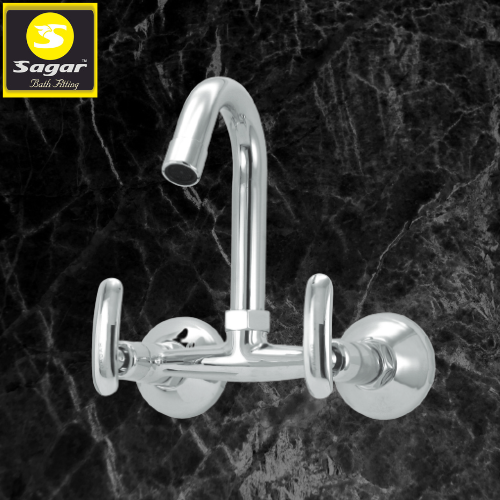
A sink mixer is a type of faucet that combines hot and cold water, allowing the user to control the temperature and flow with a single lever or dual handles. These mixers are commonly used in kitchens and bathrooms for their convenience and modern design. Here’s an overview of the features, benefits, and usage of sink mixers:
Features
- Single Lever or Dual Handles: Can have a single lever for controlling both temperature and flow or two separate handles for hot and cold water.
- Swivel Spout: Often features a spout that can swivel, making it easier to direct water where needed.
- Aerator: Many mixers include an aerator at the end of the spout, which mixes air with water to reduce splashing and save water.
- Material: Typically made from durable materials like brass, stainless steel, or high-quality plastic with various finishes such as chrome, brushed nickel, or matte black.
- Mounting Options: Can be deck-mounted (installed on the sink or countertop) or wall-mounted.
Benefits
- Temperature Control: Allows precise control of water temperature, providing comfort and convenience.
- Modern Design: Enhances the aesthetic appeal of kitchens and bathrooms with a sleek, contemporary look.
- Ease of Use: Simplifies the process of adjusting water flow and temperature with a single lever or clearly labeled handles.
- Water Efficiency: Features like aerators help conserve water and reduce utility bills.
- Versatility: Suitable for a variety of sink types and configurations.
Usage Tips
- Installation: Follow the manufacturer’s instructions for proper installation. Ensure the mixer is compatible with your sink’s mounting holes and plumbing connections.
- Operation: Use the lever or handles to control the water flow and temperature. Typically, moving the lever side to side adjusts the temperature, while lifting it up and down controls the flow.
- Maintenance: Regularly clean the mixer with a soft cloth and mild detergent to prevent build-up of lime scale and stains. Avoid using abrasive cleaners that can damage the finish.
- Leak Prevention: Periodically check for leaks around the base and handles. Tighten any loose connections and replace worn-out washers or seals as needed.
Common Applications
- Kitchen Sinks: Ideal for kitchen sinks, providing flexibility and ease of use for tasks like washing dishes and filling pots.
- Bathroom Sinks: Suitable for bathroom vanities, offering a stylish and functional faucet option for handwashing and other activities.
- Utility Sinks: Can be used in laundry rooms or utility areas where durability and versatility are required.
Installation Steps
- Turn Off Water Supply: Before installation, turn off the main water supply to prevent any water flow.
- Prepare the Sink: Ensure the sink or countertop has the correct hole configuration for the mixer. Clean the area around the mounting holes.
- Attach the Mixer: Insert the mixer into the mounting holes and secure it with the provided hardware. Use a wrench to tighten the mounting nuts, but avoid overtightening.
- Connect Water Lines: Attach the hot and cold water supply lines to the corresponding inlets on the mixer. Ensure all connections are tight and secure.
- Test for Leaks: Turn on the water supply and check for any leaks. If leaks are found, tighten the connections as needed.
- Adjust Water Flow: Test the mixer to ensure proper operation. Adjust the flow and temperature settings as needed.
A sink mixer is a practical and stylish addition to any kitchen or bathroom, offering both functionality and aesthetic appeal. Its versatility and ease of use make it a popular choice for modern homes and commercial spaces.